|
Agriculture in Ohio is a thriving industry with close to $9 billion generated in agricultural cash receipts, and over half of our land used as farm ground. In Warren County, development is expanding, but we continue to utilize over 90,000 acres for agriculture. The agricultural items raised in Warren County and across Ohio include soybeans, corn, wheat, vegetables, and meat products such as beef, pork and poultry. Warren County Soil and Water Conservation District (Warren Co SWCD) assists the agricultural community with soil and water quality practices. Warren Co SWCD is proud to serve the agricultural community. To celebrate agriculture in our community for National Ag Week – March 21-26, 2023- we decided to highlight the farmers we know best—our Supervisors. If you missed our social media posts throughout the week, never fear! Here's a recap: Samantha SteinerWith a passion and love for agriculture, Samantha Steiner has been involved in the agricultural community all her life. Growing up, Samantha spent most of her time as the fourth generation on her family’s dairy farm and when she wasn’t on the farm, she was active in 4-H showing beef cattle and pigs. She credits her parents for instilling the importance of land and water conservation. Nearly 10 years ago, Samantha started her own business, Dogwood Farm, LLC, where she raises grass-fed beef cattle and pastured poultry. To show proper stewardship to our natural resources and keep true to her philosophy of leaving things better than she found them, Samantha actively participates in conservation activities such as rotational grazing, a practice that promotes soil health and pasture regrowth, and nutrient management planning. She properly stores and composts manure before spreading and keeps livestock fenced out of waterways to reduce erosion and nutrient overload in streams. Most recently, Samantha was named one of seven inaugural cohort members of the National Conservation Foundation’s Next Generation Leadership Institute. This program serves to build up future leaders in conservation with comprehensive training to help them meet the future needs of natural resource management, helping them to increase their capacity to navigate and manage complex conservation challenges, both current and future, at the local and national level. Samantha is currently the first vice president for the Ohio Federation of Soil & Water Conservation Districts. BRUCE GOODWINIf Bruce Goodwin thinks something is going to work, then he is going to do it. Farming roughly 2,000 acres of soybeans, corn, wheat, and hay in Warren County, as well as livestock, the Goodwins’ were one of the early innovators and users of cover crops in the county dating back to the 1980s. Bruce began incorporating more use of no-till onto his fields when an “experiment” of no-till beans created an impressive yield. Other conservation practices he participates in include grassed waterways and crop rotation. First on the Board of Supervisors in 1994, and later re-elected(?) in 1995, Bruce liked how State and Federal agencies worked together. In 2014, Bruce and Carole were awarded with the Ohio Conservation Farm Family Award, an honor that highlights farmers for the practices they are implementing to help water quality and keep nutrients on the land for future generations. Besides farming, Bruce is a member of Pleasant Plain Council. John TKatschenko“Live according to the amount of ground you have” could be considered words to live by when it comes to Warren County Soil & Water Conservation District Board Supervisor, John Tkatschenko. Before becoming a Supervisor, John was the District Conservationist for Warren County from 1981 until his retirement in 2008. During this time, John and other NRCS staff rated 60,000 acres of cropland for 1985 Food Security Program, administered Ohio’s largest fly-on cover crop program of 3,500 acres, and surveyed and designed hundreds of waterways, ponds and WASCOBS for Warren County’s farm owners and operators. Born in Germany, John was introduced to agriculture by way of a beef ranch in the plains of South Dakota. Later, his family moved to Salem, Ohio where they lived on a 60-acre farm. In 1992, John and his wife, Patty, bought 10 acres in Warren County where they have two cows, a handful of chickens, several fruit trees, multiple raised beds, and bail hay for their cows. JASON SPELLMIREThe saying, “you can take the boy off the farm, but you can’t take the farm out of the boy” is the perfect way to describe Chairman Jason Spellmire. While Jason grew up farming with his family, he left the farm to attend Dartmouth College and later joined the U.S. Army. While on leave from the military, and as he got older, Jason found himself enjoying being able to come home and help with the farm. Eventually, he found his way back to Warren County and has been helping on the farm since. The Spellmire farm has been in the family since 1936 and presently, alongside his dad, Jason farms 1500 acres consisting of corn, wheat, soybeans, and hay. To demonstrate conservation and to be a positive steward of the land for future generations, Jason has enrolled ground into conservation activities such as 15 acres into CRP (Conservation Reserve Program), grassed waterways and participates in EQIP (Environmental Quality Incentives Program) for honeysuckle removal. He is active in bee keeping and tree planting. Jason also grows a variety of blackberries and pears and enjoys woodworking. Besides farming, Jason is heavily involved in the Big Brothers Big Sisters community in Middletown. ROY MILLERRoy Miller and F & R Miller Farms operate with a good conservation ethic, employing no-till on much of their acreage and cover crops. The Miller farm operation encompasses over 1000 acres with grain, hay, pasture, cattle, and hogs in and around Clearcreek Township. Almost all of the cattle and hogs are sold direct to consumers as freezer beef and pork. Roy and his family have been involved in many 4-H activities and have partnered with the Warren Co SWCD on many conservation practices including tile drainage, grassed waterways, pond management, animal waste storage and nutrient management. In 2012, Roy and F & R Miller Farms were recognized as Warren County Soil & Water Conservation District’s Conservation Farmers of the Year and Roy was elected to the Board of Supervisors in 2014.
0 Comments
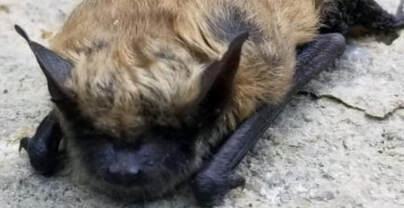
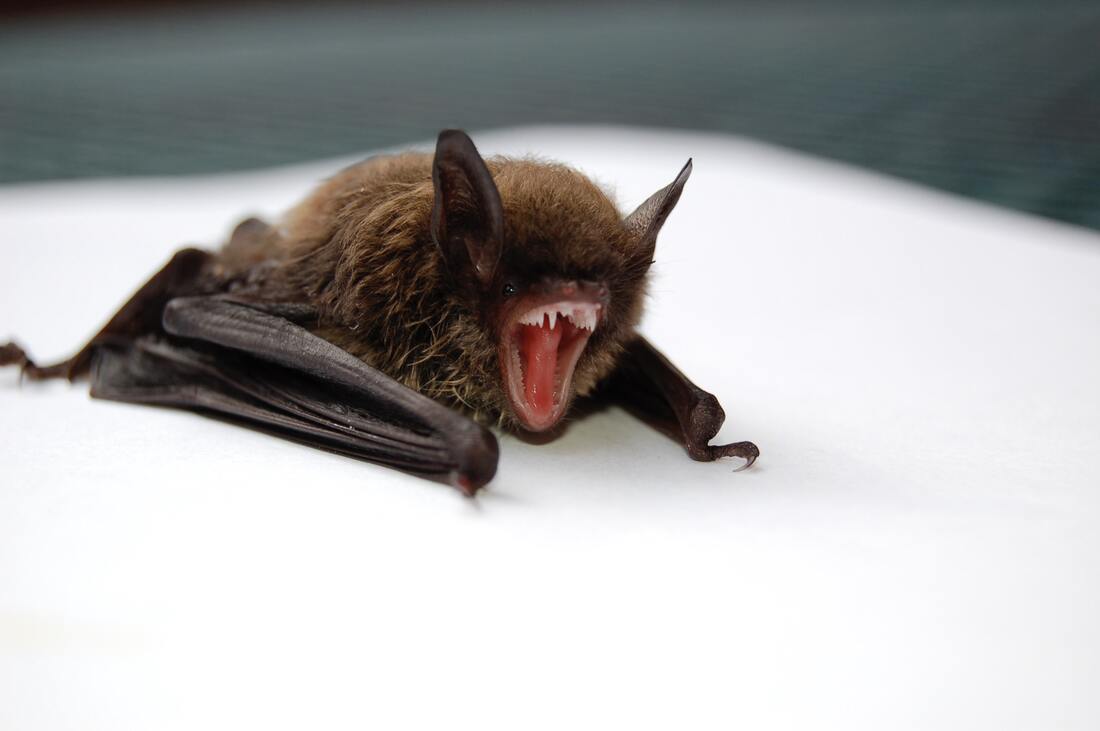
Fall is here and with it comes Halloween decorations—bats being a common sight! Bats have a spooky and somewhat sinister reputation, but they play critical roles within our economies and our ecosystems. Bats are from the order Chiroptera, stemming from Greek origin meaning “hand-wing” to describe the mammal’s wings. Chiroptera has two suborders: the Megabats (Megachiroptera) and the Microbats (Microchiropetera). Megabats consist of a single family: the flying foxes and their fruit and flower-eating relatives. The megabats live in the tropics. Meanwhile, the microbats are composed of the rest of the 17 bat families. Unlike their megabat cousins, microbats dine on insects. Bats’ social structures are very fascinating as most live in large groups called colonies which can reach to over a million bats. Bats are the only mammals that fly. Many use echolocation, a method of making sounds that bounce back from objects to help with navigation and hunting. Bats tend to fly under the radar since they are creatures of the night, and in most cases provide many benefits:
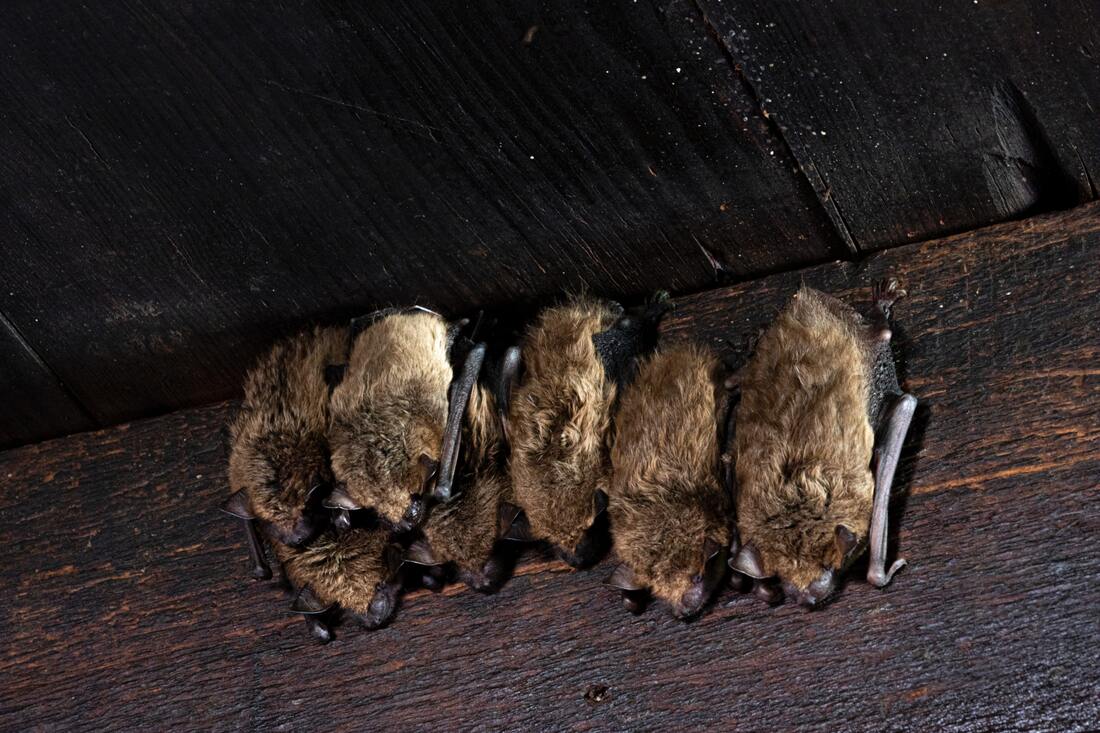 Photo by Jody Confer on Unsplash The need to protect these creatures is more evident than ever. There are lots of threats that bats face, including disease, windmill turbines, roost destruction, habitat loss, and changes in climate. In the United States and Canada, white-nose syndrome (WNS) is impacting bats. WNS is a disease that affects hibernating bats and is caused by a fungus (Pseudogymnoascus destructans). The disease causes bats to become more active during hibernation and burn up the fat they need to survive the winter. Researchers think that WNS has been in North America since 2006.
What can you do to learn more? Come join Warren County Soil and Water Conservation District for a bat walk program on October 25, 2022 from 8PM-9PM at Miller Ecological Park (755 Miller Road, Lebanon, OH 45036). Learn about bat biology and conservation while dispelling myths of this beautiful creature! Then take a quiet guided walk through the park to see the bat houses and watch for any bat activity. This program is free but registration at warrenswcd.com is encouraged. For more information regarding bats, Warren County Soil and Water Conservation District programs, and/or technical assistance on water or soil questions, call our offices at 513-695-1337. Additional Resources: North American Bat Monitoring Program - https://www.nabatmonitoring.org/ White Nose Syndrome Response Team - https://www.whitenosesyndrome.org/ Smithsonian Bat Facts - https://www.si.edu/spotlight/bats/batfacts Celebrating the Special Powers of Bats - https://www.usda.gov/media/blog/2021/10/27/celebrating-special-powers-bats Ohio Bat Working Group – https://u.osu.edu/obwg/ 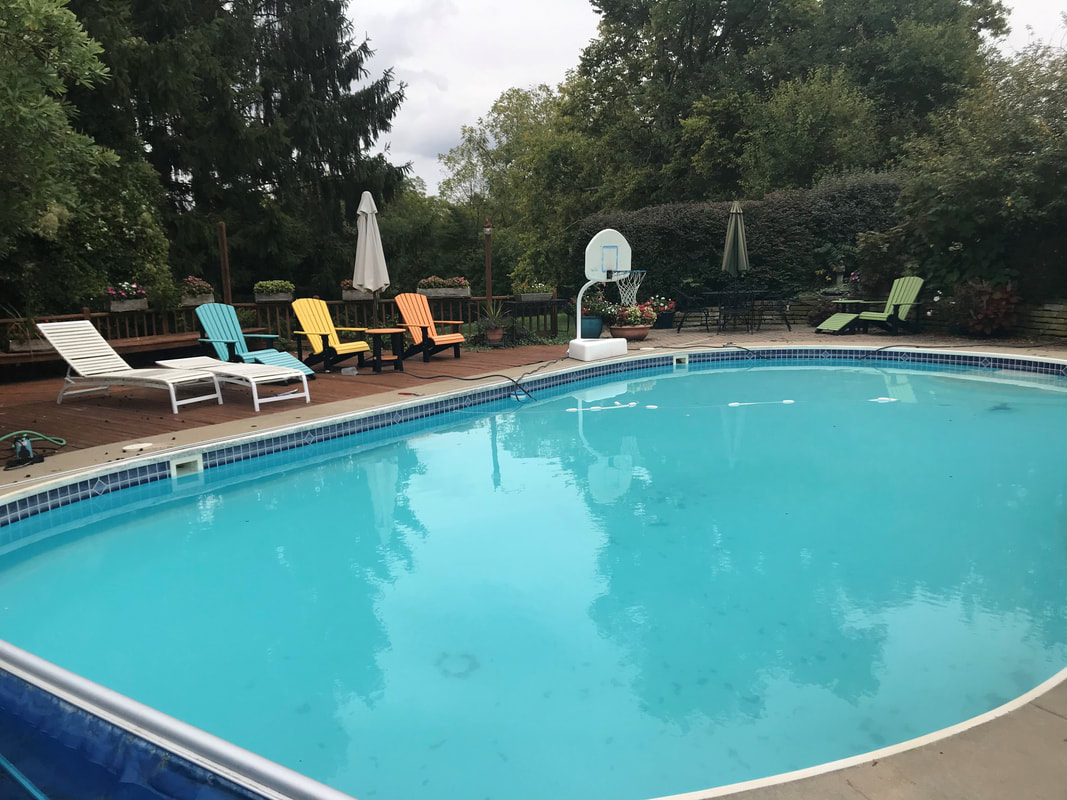 In Warren County, Ohio storm drains and yard drains lead directly to creeks and drinking water reservoirs with no treatment. Water conditioners, chlorine, bromine, algaecides, biocides, stabilizers, salts, and other chemicals used in pool and spa water are toxic to fish and other aquatic life and disrupt the natural balance within waterways.
Pool chemicals are prohibited by law from being discharged into storm drains or waterways. Allowable discharges include dechlorinated pool water that has no trace of chemicals. Pool filter backwash or saltwater pool discharges are prohibited in storm drains and drainage channels leading to streams. How to Properly Drain Pool/Spa Water
For questions regarding Warren County Soil and Water Conservation District programs and/or technical assistance on water or soil questions, call our offices at 513-695-1337. Additional Resources: Ohio EPA: https://ohioepa.custhelp.com/app/answers/detail/a_id/2295/~/discharging-swimming-pool-water-into-storm-sewers Among the more popular and well-known fish of Ohio’s streams and rivers, there is one fish which lurks on the bottom, often regarded as “trash-fish” or even seen as invasive: suckerfish. Suckerfish are a group of fish from the family Catostomidae which are native to the Ohio River watershed and live as bottom feeders, eating insects, mollusks, worms, and other aquatic invertebrates. They are migratory fish, moving upstream from large rivers and lakes into smaller streams to reproduce in the spring. During this time, they often form very large groups and can be seen traversing small creeks in late April and early May. There are many species of suckerfish native to Ohio such as the white sucker, quillback carp-sucker, and several species of redhorse; many of these species can reach sizes upwards of 10lbs. 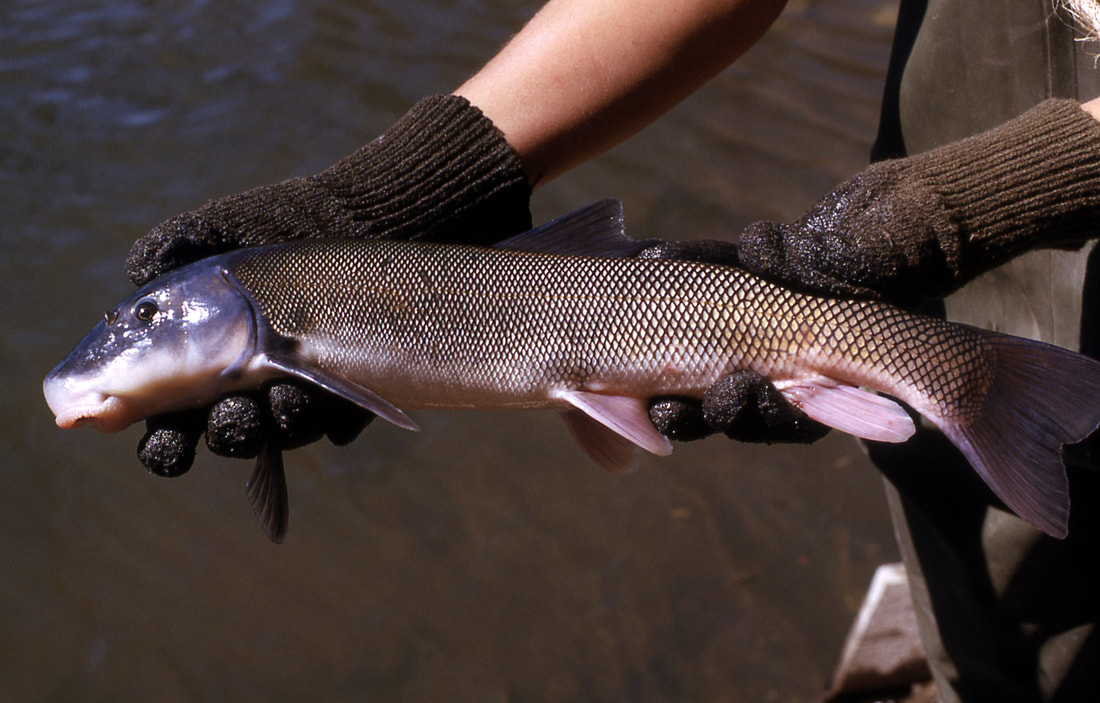 Sucker in Pelican Creek; Harlan Kredit; 1974 for the National Parks Service Most sucker species are very intolerant of pollution and sedimentation and as such are good indicator species for river and stream quality. Because of their sensitivity to water degradation, they have declined or even been extirpated from watersheds across the country. The longnose sucker is listed as endangered in Ohio, and the river redhorse and quillback carp-sucker are threatened in parts of their range. Despite this, many individuals see them as invasive and detrimental to the waterways. This is likely due to their resemblance of non-native carp species, such as the bighead carp and grass carp, which are considered invasive in Ohio. Because of this negative perception, many native suckers are killed by fishermen aiming to improve stream health by removing destructive species. Although they are shunned by most of the fishing community, some fishermen are beginning to embrace the sucker and other “rough-fish” by fishing for them. A popular fishing method for suckers is to use a small hook baited with a live worm resting on the bottom of the stream and waiting for the school to pass overhead (Unionsportsmen.org). Despite their reputation, suckers are a beneficial native fish and even help fight invasive species in some parts of their range. In Lake Erie, sucker species such as the bigmouth buffalo and redhorse are some of the only species to prey on the highly invasive zebra mussel, which clog pipes and push out native species (biokids.umich.edu). The river redhorse in Missouri is also noted to readily prey upon the Asiatic clam, which outcompetes native bivalves in the region (mdc.gov). Suckers are also very important prey species in their ecosystems, providing food for species such as largemouth bass, northern pike, herons, and bald eagles. 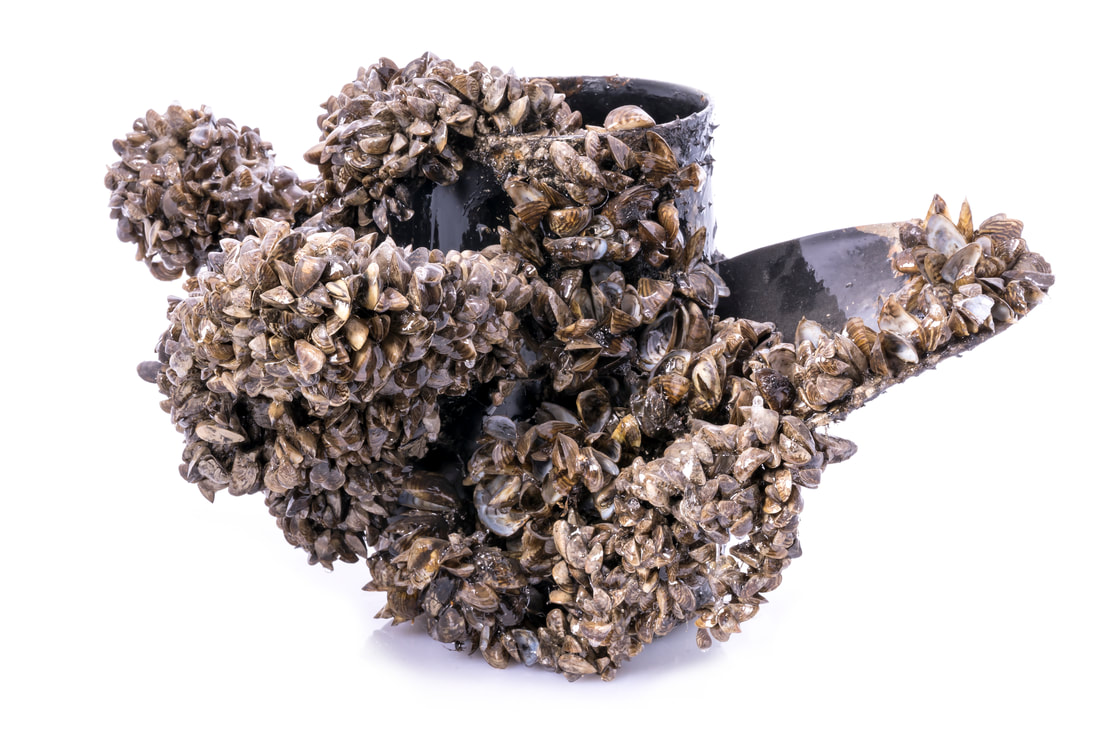 A zebra mussel-encrusted boat propeller from Lewis and Clark Lake in South Dakota. Image credit: Sam Stukel/United States Fish and Wildlife Service. North American suckerfish are often misunderstood and sometimes vilified for their resemblance to some less-desirable fish species. Despite this negative reputation, they are very beneficial and add to the biodiversity of our pristine rivers and streams in Ohio.
For more information regarding aquatic wildlife, Warren County Soil and Water Conservation District programs, and/or technical assistance with water or soil questions, call 513-695-1337. Written By Harrison Shupe, Warren Co SWCD Intern Sources: https://mdc.mo.gov/discover-nature/field-guide/river-redhorse http://www.biokids.umich.edu/critters/Dreissena_polymorpha/#:~:text=Besides%20pumpkinseeds%2C%20the%20several%20other,These%20are%20mostly%20diving%20ducks. https://unionsportsmen.org/spring-sucker-fishing-tips/ What does it mean to make your home green for stormwater? Green stormwater practices around your home use plants, soils, and other elements to manage water quality and mimic the natural water cycle. Green stormwater practices retain, detain, filter, harvest, and infiltrate stormwater runoff to create healthier urban environments. 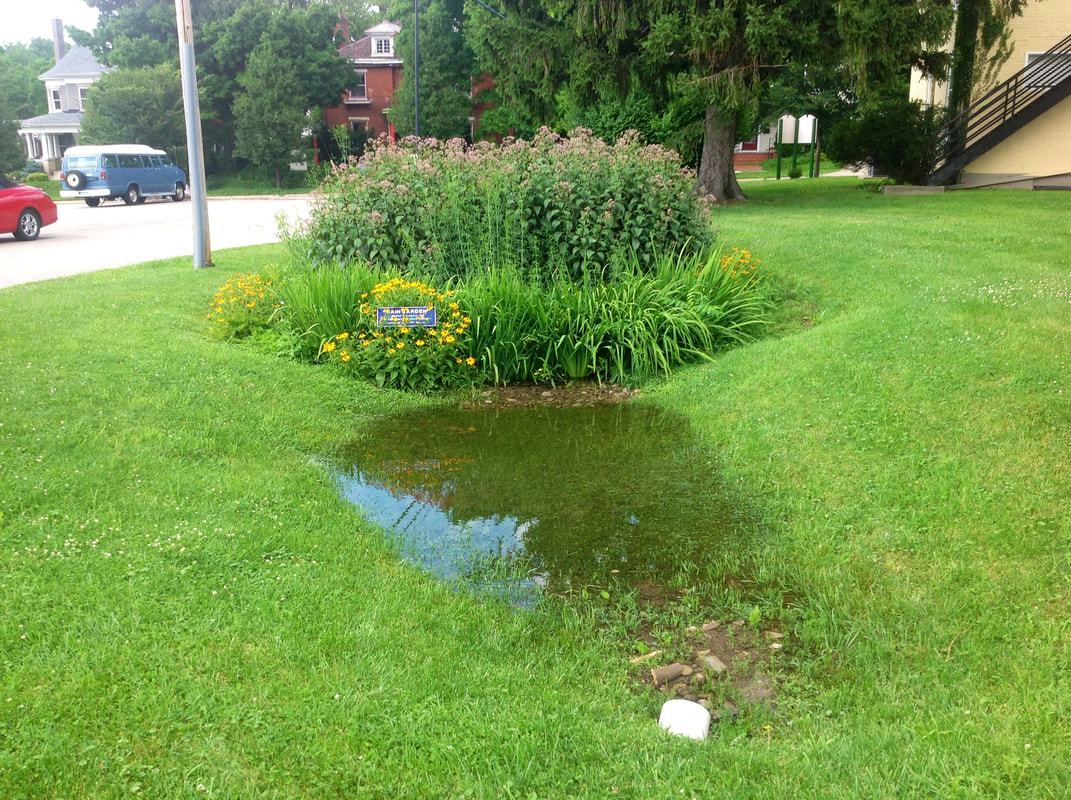 Incorporating green infrastructure provides many benefits such as improving water quality by removing pollutants, habitat preservation for native plants and animals, decreasing urbanization stream impacts, and overall enhancement of neighborhood aesthetics. The following is a list of management practices that landowners can incorporate on their own property to help control and keep stormwater clean. (Sources: Penn State Extension, United States Environmental Protection Agency)
For more information regarding green infrastructure for the home, Warren Co SWCD programs, and/or technical assistance with water or soil questions, visit http://warrenswcd.com or call our offices at 513-695-1337. Resources:
|
|
|
Contact:PHONE: (513) 695 - 1337
EMAIL: wcswcd@gmail.com HOURS: Monday - Friday 7:30am - 4:00pm (except holidays) Connect:Warren County Soil & Water Conservation District Copyright © 2016
Warren SWCD Privacy Notice. Emails are serviced by Constant Contact. Constant Contact's Privacy Notice. |