WARREN CO SWCD

Education connection

  • Home
    • About
    • Contact Us
    • Board Supervisors
    • Staff
    • NRCS
    • Employment Opportunities
    • Volunteer Opportunities
  • Upcoming Programs/Events
    • Agriculture Conservation Breakfast
    • Stream Clean Ups
    • Toad Homes Workshop
    • Tree Sale
    • Urban Chat Series
    • Warren Water Striders
    • Women for the Land
    • Partner Events
  • Services
    • EQUIPMENT RENTAL
    • Contractor List
    • PERMITS >
      • Earth Disturbing in Warren County >
        • Earth Disturbing Permit Application
      • Floodplain Management >
        • Floodplain Determination Request Form
        • Flood Applications, Forms & Documents
    • For Residents >
      • Drainage, Erosion & Pond Assistance
      • Soil Testing
      • Water Testing
      • Stormwater Basin Inspections
      • Maps & Historic Aerial Images
      • Backyard Conservation >
        • Ohio Native Plants
        • Rain Gardens
        • Rain Barrels
        • Composting
    • For Agriculture Producers >
      • Nutrient Management
      • Land Preservation
      • Cover Crops
      • GIS/Mapping
    • For Businesses >
      • Stormwater Basin Inspections
    • For Municipalities >
      • Illicit Discharge Detection Program
  • Projects
    • 2024 H2Ohio Program
    • Caesar Creek Collaborative >
      • Meet the Collaborative
      • Our Work
    • Dicks-Creek-Watershed
    • Operation Rain Garden Grants
    • Pollinator Pathways
  • Education
    • Programs >
      • Classroom Programs
      • Youth Programs
      • Community Outreach
    • Virtual Classroom
    • Urban Conservation Learning Lab
    • Dagmar the Dragonfly
    • Turtle Education Ambassador
    • Program Loan Portal
    • Scholarship Opportunities
    • HS Envirothon
    • Educator Workshops
  • Blogs
    • Conservation Connection
    • Development Digest
    • Education Connection

2/6/2017

Conservation Stewardship

0 Comments

Read Now
 
Picture
Farmers' Guide to the Conservation Stewardship Program:
​National Sustainable Agriculture Coalition

http://sustainableagriculture.net/wp-content/uploads/2015/02/CSP-Farmers-Guide-2015-final.pdf​
Picture
How to Use
Web Soil Survey:

https://websoilsurvey.nrcs.usda.gov/app/Help/WSS_HomePage_HowTo.pdf


OSU Extention
How to make the most of your soil type:  ​
​
http://learn.eartheasy.com/2013/06/how-to-make-the-most-of-your-soil-type/


http://eartheasy.com/grow_backyard_vegetable_garden_02.html

http://agnr.osu.edu/programs/horticulture-specialty-crops

https://www.rhs.org.uk/advice/profile?PID=179

http://www.hgtv.com/outdoors/gardens/planting-and-maintenance/how-to-tell-what-type-of-soil-you-have
Area IV Envirothon Topics
Wildlife, Aquatics, Forestry, Soils
and Current Environmental Issue (CEI)
What is the Envirothon: 
The Envirothon is designed to stimulate, reinforce and enhance interest in our environment and our natural resources among high school students.
​
The Envirothon tests students' knowledge of soils, forestry, wildlife, aquatic ecology and current environmental issues (CEI). In addition, the Envirothon encourages cooperative decision-making and team building. While each student on an Envirothon team is challenged to contribute his or her personal best, the score that counts at the end of an Envirothon is the team score.

Any high school teacher can start an Envirothon team in their school.  A team consists of a maximum of five students, all from the same high school. The High School can have up to 3 total teams. An adult advisor (or advisors) must accompany the team, but is not permitted to assist the team during the competition. Teams usually convene before or after school to study the Envirothon areas of study. There is lots of guidance and assistance on the the Area, State and National Envirothon information pages.

Warren SWCD can help mentor any teacher in creating a new Envirothon team or continuing an established program.  We can help teach and guide students towards important information.  We are very familiar with the Envirothon process  and competition, so don't hesitate to inquire further or ask for assistance!

Follow this link to learn more:
http://www.warrenswcd.com/hs-envirothon.html


Share

0 Comments

7/1/2016

Help Protect Bats and Their Habitats​

1 Comment

Read Now
 
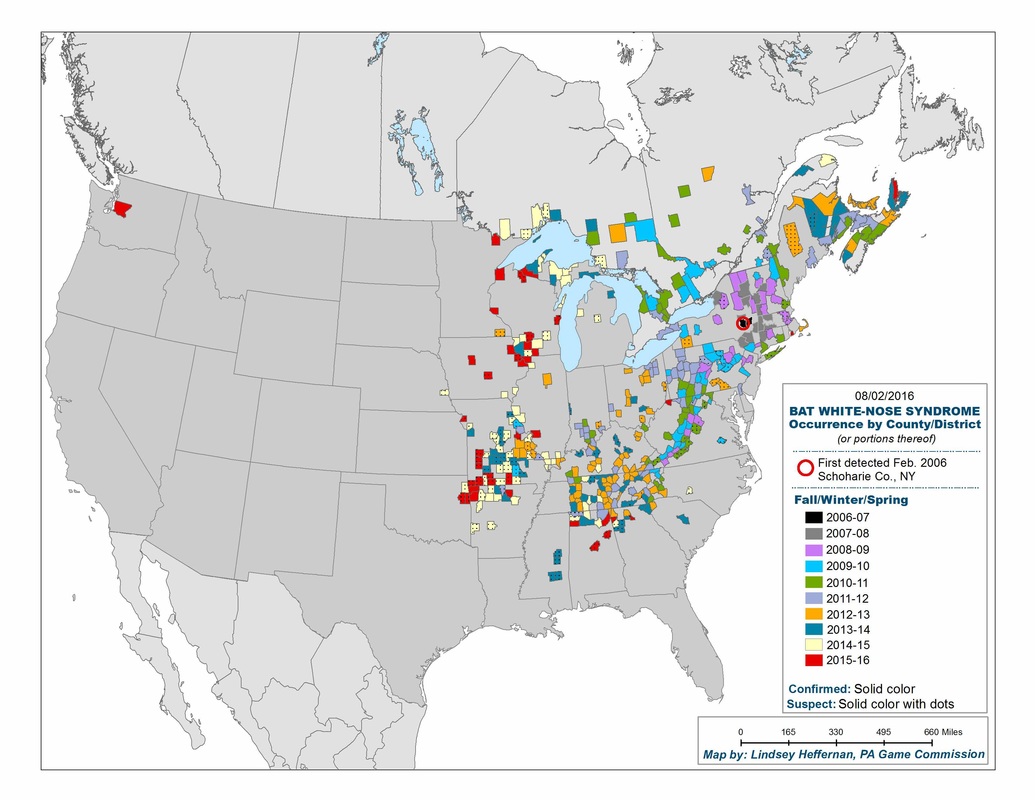
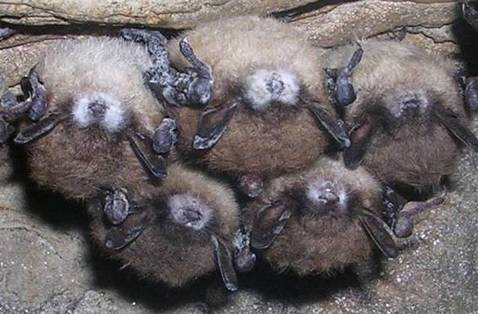
The Division of Wildlife uses information from Bat Acoustic Survey Monitoring to help track our bat species, population rates and document the progression of White-Nose Syndrome (WNS).  Sadly, signs of WNS has officially shown up far west in the state of Washington as of 2016.
Picture
​Find out up-to-date information about White-Nose Syndrome (WNS), the deadly disease that affects North American bats by cilcking on the black box below. Extensive groups of state, federal, tribal, university, and non-governmental partners are helping minimize the impacts of White-Nose Syndrome.  They also need our help!  #Save the Bats​
2016 White-Nose Syndrome Updates and Ocurrences
Picture
Ohio Department of Natural Resources - Contact Information:
www.whitenosesyndrome.org/partner/ohio-department-natural-resources

In the winter of 2006-07, the New York Department of Environmental Conservation found approximately 10,000 bats of the genus Myotis (little brown bats, M. lucifugus, and Indiana bats, M. sodalis) dead and dying in four caves in New York. Since 2006, White-Nose Syndrome (WNS) has killed millions of bats in eastern North America, including several Myotis species, Perimyotis subflavus (Tri-colored bat), and Eptesicus fuscus (big brown bat). 
​
In March 2011, the first Ohio case of WNS was confirmed in an abandoned mine in Lawrence County, Ohio. Several counties in Ohio have been confirmed as WNS positive, including Lawrence County in 2011, 5 counties were added in 2012 (Geauga, Summit, Cuyahoga, Portage, and Preble), and 10 counties added in 2013 (Medina, Jefferson, Union, Wayne, Ashland, Athens, Clinton, Madison, Warren, and Sandusky).
​

Updates on WNS in the State of Washington:
wdfw.wa.gov/conservation/health/wns/​

www.whitenosesyndrome.org/news/deadly-bat-fungus-washington-state-likely-originated-eastern-us​

Battle For Bats: Surviving White Nose Syndrome from Ravenswood Media on Vimeo.

Bats Truly Need Our Help:  
  • Contact the Ohio Department of Natural Resources/Division of Wildlife immediately if you suspect you have seen bats with this WNS condition in Ohio.  Learn who to contact in one's owns state:  https://www.whitenosesyndrome.org/

  • Do not handle live bats.  Contact:   1-800-WILDLIFE                                                           Ohio Department of Natural Resources

  • Report the bat or the groups of bats that you suspect with WNS.  This information will help others understand our bat populations and White-Nose Syndrome. 

  • Do not spread White-Nose Syndrome  and limit disturbance to roosting bats. Avoid entering areas where bats may be living to limit the potential of transmitting the fungus that causes the disease and disturbing vulnerable bats.  Do not allow dogs to access areas where bats may be roosting or overwintering as they may act as carriers of the fungus to new sites. 

  • Clean your clothing and gear if you come into contact with crevices in rock cliffs, talus areas, caves or mines. When possible use the decontamination guidelines at www.whitenosesyndrome.org.

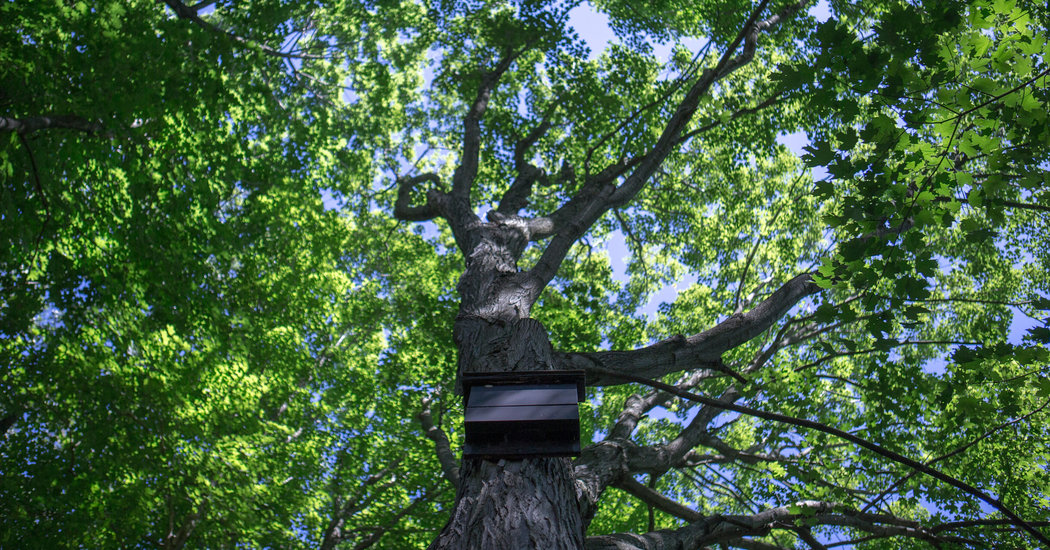
  • Improve bat habitats.  Reduce lighting around your home, minimize tree clearing, and protect streams and wetlands. Try to incorporate one or more snags into your landscape keeping old and damaged trees when possible. Snags provide important habitat for bats and other backyard wildlife. For more information on living with bats, and instructions for how to build a bat house, visit:  ocvn.osu.edu/news/please-help-our-ohio-bats-make-ready-bat-friendly-houses-roosts-springsummer-occupancy
Picture
Devouring 1,000 Mosquitoes nightly; Bats are now welcome guests as "Zika Fears Rise":   www.nytimes.com/2016/07/05/nyregion/devouring-1000-mosquitoes-an-hour-bats-are-now-welcome-guests-as-zika-fears-rise.html?_r=0​
Build a Bat Roost WildOhio Video
Why should you put up a bat house?
Bat houses benefit bats, you, your family, communities, farmers, gardeners
and ​the ecosystem as a whole.
  • Bat houses provide bats a home.  In turn, bats will eat thousands of insects.
  • Bat houses give bats an alternative to our houses.  Thus, reducing the chance of human-to-bat contact.
  • Bat populations have decreased significantly (especially with White Nose Syndrome) and bat houses can help provide secure habitat. 
Why Bat Houses Are Important
See Additional Bat House Designs:
wildlife.ohiodnr.gov/portals/wildlife/pdfs/publications/birds%20and%20birding/pub419.pdf​​
www.batcon.org/pdfs/bathouses/FourChamberNurseryHousePlans.pdf​
www.batweek.org/files/Single_chamber_bat_house_instructions.pdf​
www.eparks.org/pdf/batbox.pdf
Why do some bat houses fail?
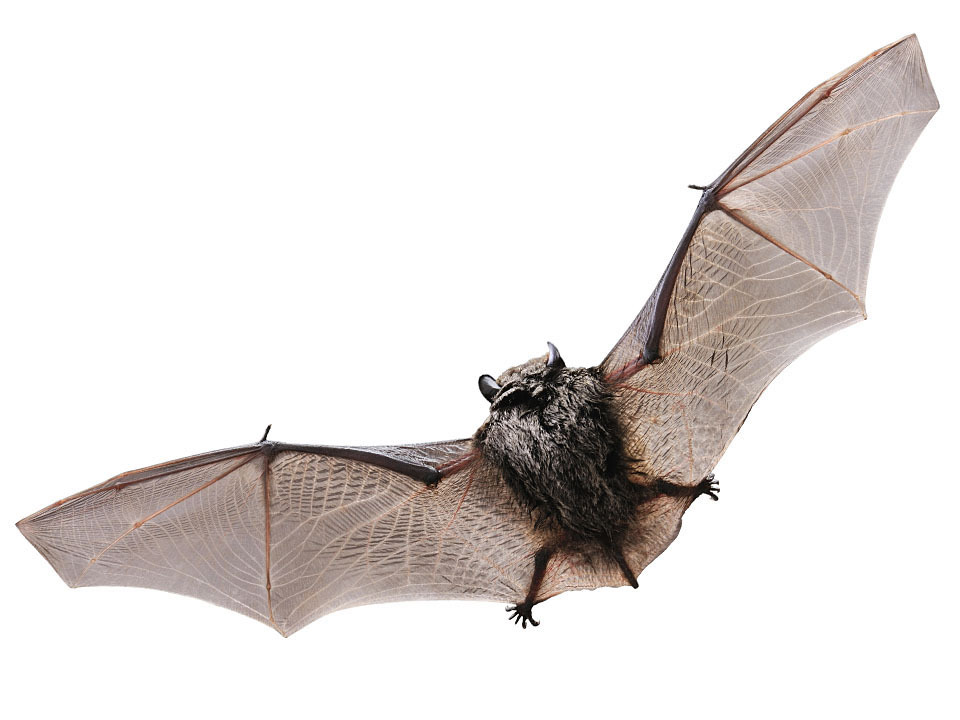
—Bat Facts:
​Over 1,000 Species Worldwide
—45 species native to U. S.
—11 species in Ohio (2016)
—The only true flying mammal
—Primarily nocturnal, but most times can be seen flying about in the early evening (crepuscular)
Picture
Teachable Moments:
​
​The Save Lucy Campaign was created to raise awareness of White-Nose Syndrome
​and its devastating impact on North American Bats.
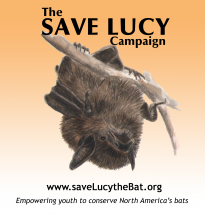
The Save Lucy Campaign
Picture
Creatures of the Night
​

Picture
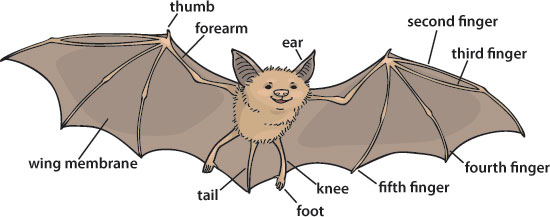
The Order name ‘Chiroptera’ means “hand-wing”
—Order Chiroptera =“hand wing”
—Megachiroptera =“large “bats:  Found in tropics - —large fruit bats/flying foxes
—Microchiroptera =“small” bats:  all bats in U.S.
—Varied diets and ID characteristics
Picture
askabiologist.asu.edu/explore/bats​
www.nwhc.usgs.gov/disease_information/white-nose_syndrome/Battle_for_Bats.pdf​
www.youtube.com/channel/UCMnhyLXrhchXNk22V2fSRTw
Bat and Moth Game
Picture
www.biologicaldiversity.org/campaigns/bat_crisis_white-nose_syndrome/index.html​
www.scientificamerican.com/article/how-do-bats-echolocate-an/​
askabiologist.asu.edu/echolocation​

Share

1 Comment

6/10/2016

The Little Miami River - One of America's National Wild and Scenic Rivers

2 Comments

Read Now
 
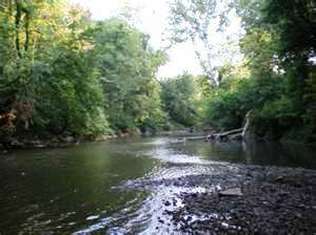
Thankfully, organizations and many individuals work wisely to protect and preserve our streams. The Little Miami River is one of America's National Wild and Scenic Rivers. "The Little Miami River Kleeners' and Little Miami Watershed Network's purpose is to enhance the quality of life along the Little Miami River by promoting the protection of, stimulating the public interest in, and encouraging the preservation of the Little Miami River."
Picture
Little Miami Watershed Network
Picture
Little Miami River Kleeners
Saving a National Treasure:  The Little Miami Conservancy was founded in 1967 as Little Miami, Inc.  The Little Miami River has been embraced by citizens and local leaders as a valuable natural resource for quiet outdoor recreation,  wildlife,  drinking water,  scenic beauty and much more!  
Little Miami Conservancy
On April 23, 1969, the Little Miami River earned the distinction of becoming
​Ohio's first designated State Scenic River.
Picture
Little Miami State and National Scenic River:  Rivers and streams in the Ohio Scenic Rivers program are monitored regularly to ensure that the water habitat quality remains high.  The Stream Quality Monitoring (SQM) program is coordinated by regional employees, but most of the monitoring is done by volunteers.
​
Volunteers are needed!  
​Become a SQM Volunteer Monitor:
ODNR Stream Quality Monitoring Program
Picture
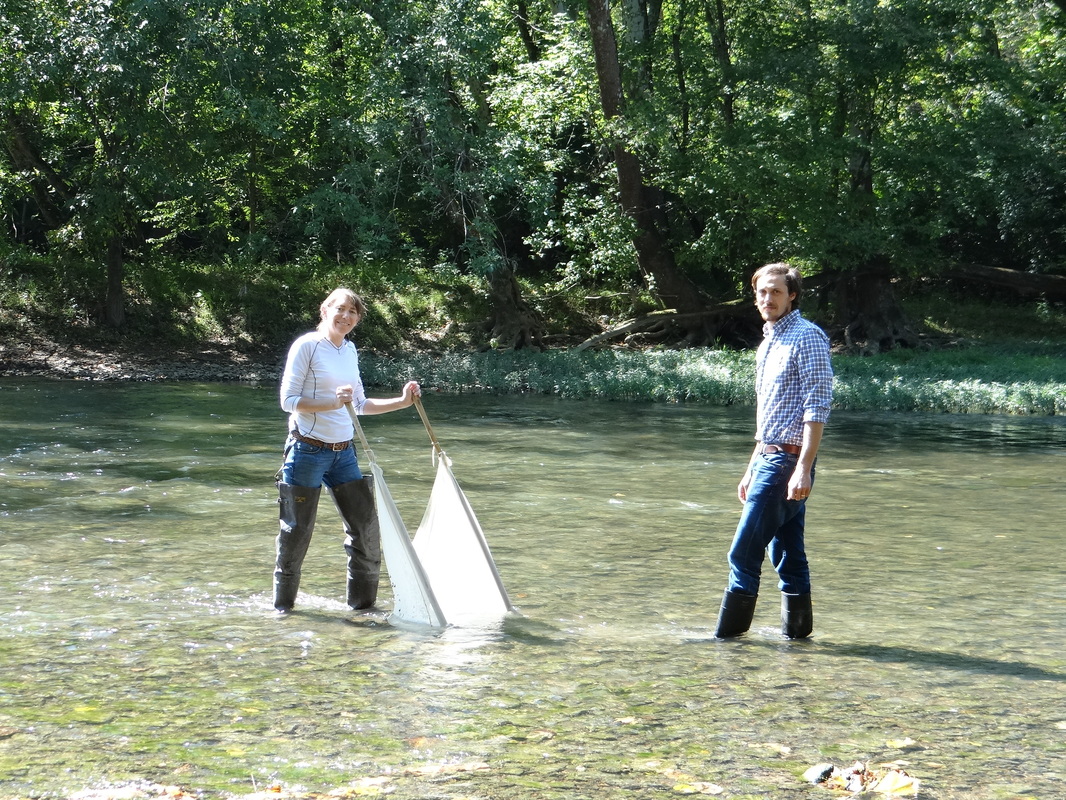
Warren SWCD participates in the ODNR Stream Quality Program.  Our testing site is at river mile 44 on the Little Miami River.  If you would like to learn more about Stream Water Quality Monitoring or volunteer with Warren SWCD doing Stream Water Quality Monitoring, please e-mail our staff coordinator, Molly Conley, or click on the black box below for additional information:   [email protected]
Warren SWCD Stream Quality Monitoring Information

Share

2 Comments
Forward>>
Details

    Author:
    ​Education Staff

    Stay up to date with all of our Education news by signing up for Data from Dagmar...an environmental education newsletter from WCSWCD

    Categories

    All
    Bats
    Citizen Science
    Climate Change
    Conservancy
    Earth
    Earth Day
    Earth Formations
    Ecosystems
    Educators
    Envirothon
    Green Living
    NASA
    Native Plants
    Natural Resources
    Ohio Symbols
    Pollinators
    Rocks And Fossils
    Soil
    STEM
    Trees
    Virtual Learning
    Volunteer
    Water Resources
    Wildlife

    Archives

    October 2025
    June 2025
    May 2025
    January 2025
    August 2024
    May 2024
    March 2024
    January 2024
    August 2023
    June 2023
    April 2023
    February 2023
    November 2022
    September 2022
    June 2022
    May 2022
    February 2022
    November 2021
    October 2021
    September 2021
    August 2021
    April 2021
    January 2021
    December 2020
    November 2020
    October 2020
    September 2020
    August 2020
    June 2020
    May 2020
    April 2020
    March 2020
    January 2020
    December 2019
    November 2019
    September 2019
    August 2019
    July 2019
    May 2019
    March 2019
    January 2019
    November 2018
    September 2018
    August 2018
    June 2018
    May 2018
    April 2018
    March 2018
    February 2018
    January 2018
    December 2017
    November 2017
    October 2017
    August 2017
    June 2017
    May 2017
    April 2017
    March 2017
    February 2017
    December 2016
    November 2016
    October 2016
    July 2016
    June 2016
    May 2016
    April 2016

Picture

Contact:

PHONE: (513) 695 - 1337
EMAIL:   [email protected]
HOURS: Monday - Friday 7:30am - 4:00pm (except holidays)

Connect:

Warren County Soil & Water Conservation District Copyright © 2016
Warren SWCD Privacy Notice. Emails are serviced by Constant Contact.  Constant Contact's Privacy Notice.
Photos from MSamir63, Kevin M. Gill, Ken McMillan
  • Home
    • About
    • Contact Us
    • Board Supervisors
    • Staff
    • NRCS
    • Employment Opportunities
    • Volunteer Opportunities
  • Upcoming Programs/Events
    • Agriculture Conservation Breakfast
    • Stream Clean Ups
    • Toad Homes Workshop
    • Tree Sale
    • Urban Chat Series
    • Warren Water Striders
    • Women for the Land
    • Partner Events
  • Services
    • EQUIPMENT RENTAL
    • Contractor List
    • PERMITS >
      • Earth Disturbing in Warren County >
        • Earth Disturbing Permit Application
      • Floodplain Management >
        • Floodplain Determination Request Form
        • Flood Applications, Forms & Documents
    • For Residents >
      • Drainage, Erosion & Pond Assistance
      • Soil Testing
      • Water Testing
      • Stormwater Basin Inspections
      • Maps & Historic Aerial Images
      • Backyard Conservation >
        • Ohio Native Plants
        • Rain Gardens
        • Rain Barrels
        • Composting
    • For Agriculture Producers >
      • Nutrient Management
      • Land Preservation
      • Cover Crops
      • GIS/Mapping
    • For Businesses >
      • Stormwater Basin Inspections
    • For Municipalities >
      • Illicit Discharge Detection Program
  • Projects
    • 2024 H2Ohio Program
    • Caesar Creek Collaborative >
      • Meet the Collaborative
      • Our Work
    • Dicks-Creek-Watershed
    • Operation Rain Garden Grants
    • Pollinator Pathways
  • Education
    • Programs >
      • Classroom Programs
      • Youth Programs
      • Community Outreach
    • Virtual Classroom
    • Urban Conservation Learning Lab
    • Dagmar the Dragonfly
    • Turtle Education Ambassador
    • Program Loan Portal
    • Scholarship Opportunities
    • HS Envirothon
    • Educator Workshops
  • Blogs
    • Conservation Connection
    • Development Digest
    • Education Connection