 Here at Warren County SWCD we are always striving to find the most engaging ways to connect with students of all ages about environmental education and conservation. And what better way to do that than with an awesome animal! Education ambassador animals help to create personal connections with people and increase the retention of information learned. Our newest education team member hopes to share enthusiasm and knowledge across Warren County about all things nature.
ABOUT TUCKER "SPEEDY" TURTLE Our newest team member is a Woodland Box Turtle (Terrapene carolina carolina a.k.a. Eastern Box Turtle) of unknown age. Woodland box turtles are native to Ohio and are very familiar and identifiable wildlife to students of all ages. Sporting red eyes and a concave plastron (belly side part of shell), our new box turtle is a male that was seized from a private owner who did not have a permit, and released to the care of Brukner Nature Center in Troy, OH. Because he had been under human care for an indeterminate amount of time, he could not be released back into the wild. Taking individual animals from the wild in an unregulated fashion negatively impacts the wild population numbers of these species which is one reason a permit is required to possess such native animals. Because Warren County SWCD holds an education permit from the Ohio Division of Wildlife, we were eligible to become a new home for this little guy. If you are a teacher or community group leader and would like to have Tucker visit your classroom or meeting with his trove of conservation knowledge, check out our program offerings on our Education Page! For questions or to schedule a program, contact Melissa Proffitt, Education & Communications Specialist, at (513) 695-3086.
3 Comments
 Photo credit: Steve, Washington D.C. Each year, April 7th is recognized as International Beaver Day! There are two distinct species of beavers; the Eurasian beaver found in Europe and Asia, and the American beaver found across North America, including here in Ohio. April is when our native beavers start to emerge after several months of confinement in their lodges during the winter. These animals are well adapted to life in the water, equipped with webbed feet, a flat tail, clear "third-eyelids", and waterproof fur! Beavers are also the world’s second largest rodent. The rodent family is known for having those big front teeth. And unlike their famous "wood chuck" cousins, beavers actually put those chompers to use felling trees for food, lodge and dam construction, and to create wetlands. Wetlands are special aquatic ecosystems that work as nature's filtration system, cleaning pollutants out of the water. These traits earn the American beaver the title of nature's best engineer! Want to learn more and do a fun activity with the kids? Check out Warren County SWCD’s program Dress Like a Beaver on YouTube! 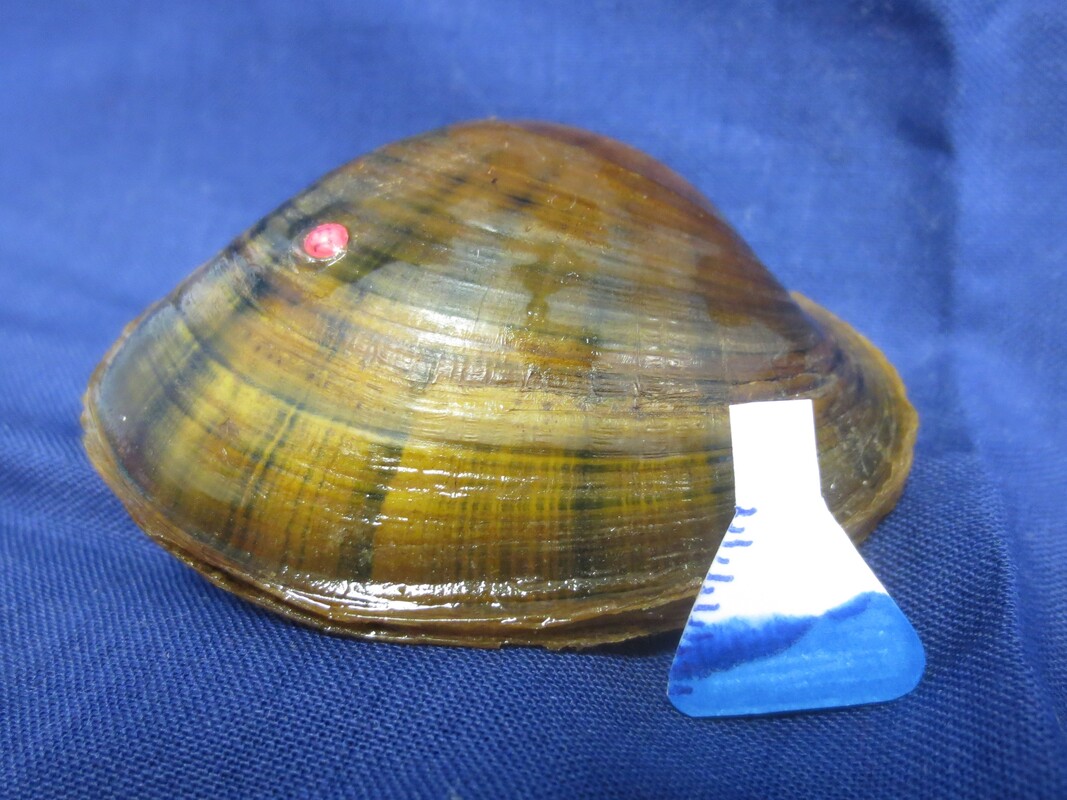 The Warren County Soil and Water Conservation District has gained a new team member: Maryann the freshwater mussel. Maryann is very passionate about the water quality of her river because she is a filter feeder! If the water quality in her river is poor, Maryann will be negatively affected by a toxic diet. Freshwater mussels help keep our rivers clean, making them vital to the aquatic ecosystems in Ohio. According to the U.S. Fish and Wildlife Service, 11 freshwater mussel species have become extinct, and 46 more are struggling on the endangered species list. The Ohio river basin, encompassing 14 states and over 25 million people, is home to 41% of freshwater mussel species native to North America. Our streams and rivers empty into the basin, eventually emptying into the Mississippi River and the Gulf of Mexico. Freshwater mussels filter feed anything and everything we dump into our rivers, causing mussel species in Ohio to be disproportionately affected due to dense populations of mussel species. More specifically, the Little Miami River holds 36 species of freshwater mussels, including two threatened species. Not only are mussels threatened by water pollution, they are also fighting for resources with the invasive Zebra Mussel species. Zebra mussels are native to Eurasian freshwater bodies, but spread through dumping ballast water into the Great Lakes by ships from Europe. Zebra mussels thrived in this new environment with no natural predators, allowing them to spread rapidly across the country. Native mussel species are reducing in number due to these invasive mussels, causing a decline in overall biodiversity in our rivers. Freshwater mussels are vital for our rivers’ ecosystem filtration, but many species are declining in population due harvesting for shiny buttons, and nutrient rich sea food in the past. Human impact on the freshwater mussel population can be greatly reduced by keeping our rivers clean, helping to reverse the negative affects of previous harvesting. According to the Ohio River Foundation, our river is a source of drinking water for more than five million people. Without freshwater mussels digesting harmful bacteria such as E. coli, our rivers would become very dirty. Article written by WCSWCD Intern Abbey Raison It is incredibly important that we all do our part to prevent water pollution in our river and consume fewer mussel products to protect the native species of freshwater mussels. You can adopt a mussel just like Maryann! Visit https://secure.donationpay.org/ohioriverfdn/adopt.php to adopt the mussel of your choice, and help the Ohio River Foundation protect the freshwater mussel population. According to the Ohio River Foundation website, "The donors of the Adopt a Mussel program provide much needed funds for food, aquariums and other supplies needed to care for and house these important conservation ambassadors for our Mussels in the Classroom program." These education initiatives align with those of Warren County SWCD and we are proud to support water quality education! 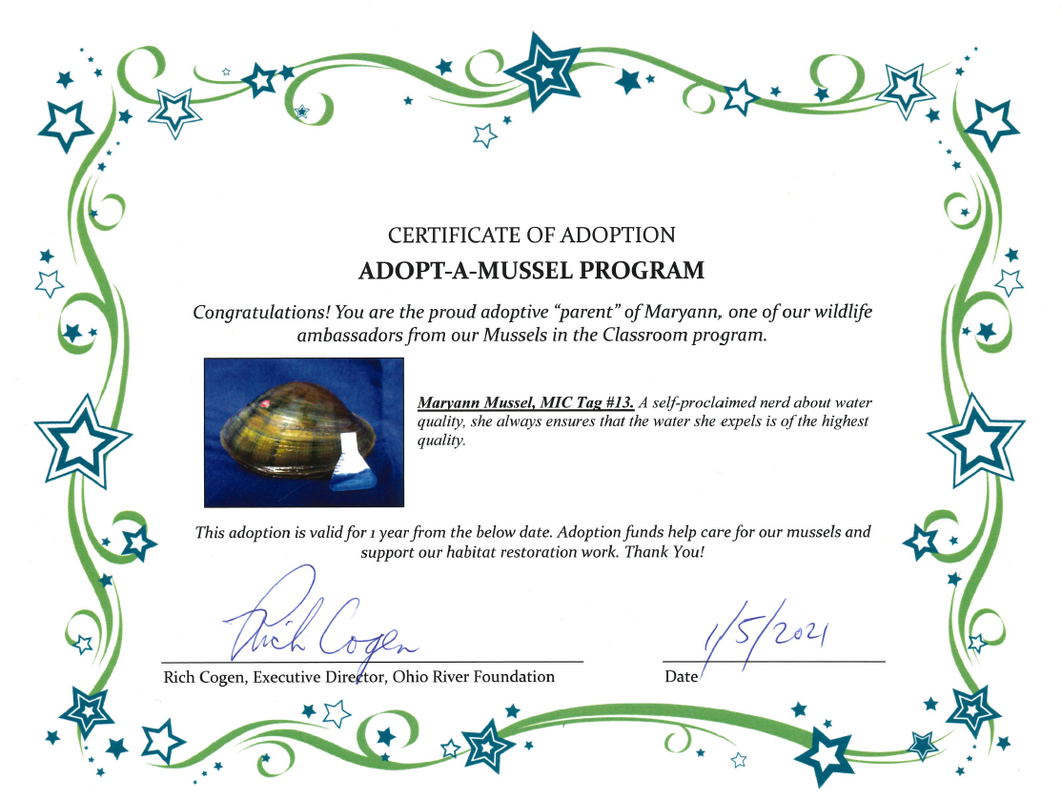 For questions regarding Warren County Soil and Water Conservation District programs and/or technical assistance on water or soil questions, visit http://warrenswcd.com or call, 513-695-1337.
Additional Resources:
Did you know that we have wild turkeys right here in Ohio? While they have many things in common with their domestic cousins, they also have some unique wild traits! Learn some fun facts about wild turkeys from what they eat to how they communicate; and what the heck is a dust bath?? Watch this fun, short video to find out! With over twelve different calls, the Wild Turkey is no stranger to good communication. From the gobble to the cluck, the sounds of the Wild Turkey let you know exactly what they are doing. Some of the most common turkey calls include: • Tree Call – This call is typically made from the roost in a tree first thing in the morning. • Gobble – This call is made primarily by male turkeys in the spring to attract female turkeys for mating. • Putt – This is a short, one-syllabled alarm call. When used in a series, it indicates that the turkey has seen or heard danger. • Cluck – This call is usually in a series of short, soft notes. It is used to get the attention of another turkey. • Purr – A soft, rolling call, the purr is often made by content turkeys mainly when they are feeding. • Assembly Call – This call is usually made by the adult hen when calling her young poults. Want to make your own turkey call? Grab a small plastic cup (K-pod cups or small play-dough containers work great!) and some string and follow these easy instructions! 
 In 2019, Ohio government recognized National Bat Week. National Bat Week is every year from October 24th – October 31st. National Bat Week is an annual, international celebration of the role of bats in nature and raise awareness about the need for bat conservation. Visit the National Bat Week’s website at www.batweek.org for more information on bats and how to take action not matter where you are. Ohio Bat Week Video Series: Ohio Bat Working Group members have created a series of videos for Bat Week and beyond! These videos were created to address a variety of topics related to bats in Ohio with the intent to aid educators in preparing and delivering bat programs.  Check out these videos which include videos from Warren County SWCD Education & Communications Specialist, Melissa! Educators, did you get a chance to check out the virtual Greater Cincinnati Environmental Educators Expo this year? If not, take a sneak peek at the session presented by our Education Specialist, Melissa! She presents on the various program options teachers can do with worm observations, and is joined by Clermont SWCD educator to discuss the new SW Ohio Education Site. Check out the segment from the conference below! (This conference is usually hosted by the Cincinnati Zoo, so enjoy an animal encounter during the first 15 minutes of the video or jump to the 15 minute mark to begin the lesson presentation!) 2020 has seen a significant increase in remote learning options and curriculum due to the coronavirus pandemic. Great collaborations and partnerships in the education world are creating amazing online learning opportunities. Project WILD from the Association of Fish and Wildlife Agencies is no exception! For the new WILD about Remote Learning Page the organization states, "As universities, colleges, and schools move learning online in the wake of the coronavirus spread and COVID-19, many educators are interested in how to conduct WILD activities remotely. See below for ideas and resources to guide students through WILD activities at their own location. If you have additional ideas or resources, feel free to send them our way at [email protected]. Stay WILD and healthy!" Here at Warren County SWCD our education staff has created some video lesson content to support some of these online Project WILD activities! While we have shared some native plants that serve as Ohio Symbols, there are still more! You probably already know some of them, even if you don’t realize it. Has anyone ever called you a “Buckeye”? That term is a reference to the State Tree of Ohio, the buckeye tree featured in our last blog. Let’s take a look at a few more of our state’s symbols!
"Believe it or not, you have a bee to thank
for every one in three bites of food you eat." 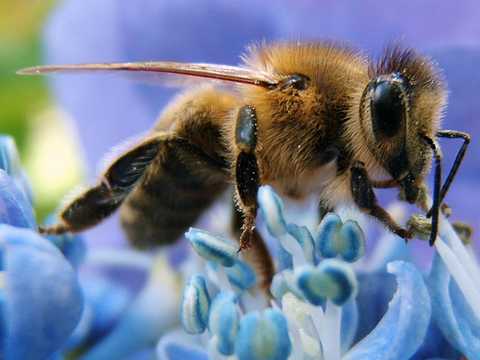
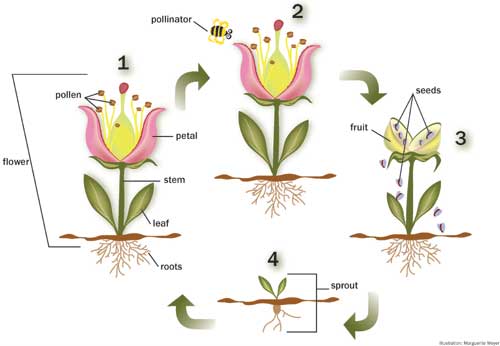
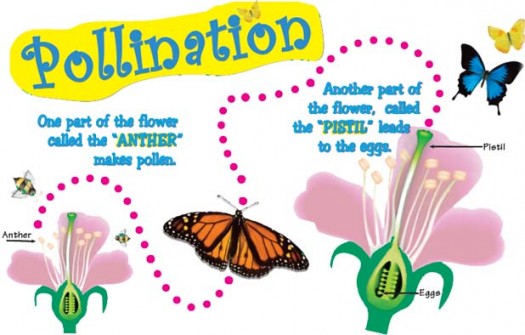
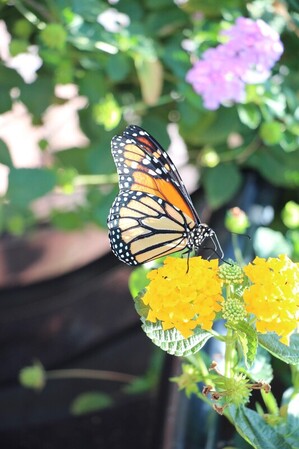
Each day, pollinators are responsible for 1 out of 3 bites of food we intake on average. Many pollinators are at a critical point in their own survival; there are various reasons contributing to their decline. One thing is for certain, providing more pollen and nectar sources from native flowering vegetation will improve the health and numbers of our pollinators. Pollinator-friendly gardens and landscapes also revive the health of bees, butterflies, moths, birds, bats and other pollinators.
What is the Million Pollinator Garden Challenge (MPGC)?
The Million Pollinator Garden Challenge is a nationwide call to action to preserve and create gardens and landscapes that help revive the health of bees, butterflies, birds, bats and other pollinators across America. As we explore and enjoy the "great outdoors", take time to make connections between pollinators and the healthy food we eat. http://millionpollinatorgardens.org/partners/
Annual Milkweed Pod Collection:
September 1st and goes until October 30th (pods accepted thru November 1st)
The Ohio Pollinator Habitat Initiative is calling on all Ohioans for another year of Milkweed pod collections! This project started in 2015 as a 7 county pilot and since that time hundreds of Ohioans have worked together collecting thousands of pods across the state.
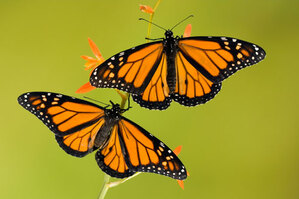
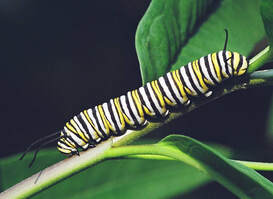
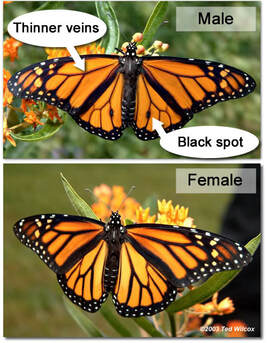
Milkweed is the host plant for the Monarch butterfly for egg laying and caterpillar rearing. It also serves as a food source for Monarchs and many other pollinator species. . The disappearance of milkweed across the U.S. has contributed to the 80% decline of the eastern monarch butterfly population over the last 20 years. We are working hard in Ohio to change this, and you can help! Here are helpful and simple collection tips: • Before you collect seed pods, become familiar with the common milkweed to avoid harvesting pods from similar plants such as hemp dogbane (a poisonous herb) or swamp milkweed. • It is best to collect the pods when they are dry, grey, or brown. THIS is IMPORTANT! Pod collection starts Sept 1 and runs through Oct 31… please use September as the benchmark time to locate milkweed plants and to keep an eye on the pods while they ripen; then pick them once they look like the picture shown below. • If the center seam pops with gentle pressure, they can be harvested. • Store the pods in paper bags (vs. plastic bags collect unwanted moisture). • Place the date and county collected on the bag when you turn them in. • Keep the pods in a cool, dry area until you deliver them to the nearest collection site as with Warren County Soil and Water Conservation District located in Lebanon, Ohio or you can find the nearest collection site at: www.agri.ohio.gov/wps/portal/gov/oda/divisions/soil-and-water-conservation/find-a-local-swcd/swcd-list 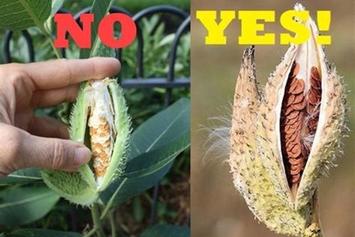
Numerous pollinator species are at risk; many are listed as federally endangered or threatened. Disturbances such as habitat loss, climate change and application of pesticides contribute greatly to diminishing populations and disrupting ecological interactions.
Become a Bee Spotter...The Cincinnati Zoo has teamed up with Bee Spotter to learn more about the bees in the greater Cincinnati area, and we need your help! Simply snap pictures of bees that you see and submit it with a date and location to beespotter.org/cincinnatizoo. An expert will identify the species and add it to the database.
Native & Local Plant Sale:
Visit the Zoo’s EcOhio Farm and Wetland in Warren County, Saturday September 29th, 2019
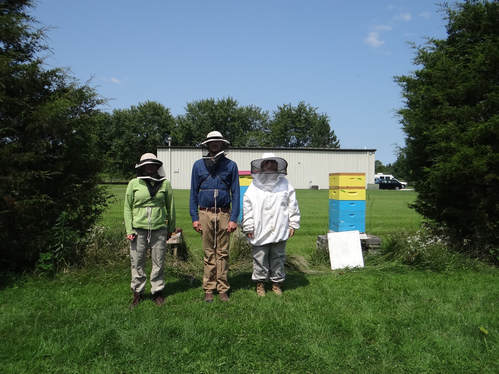
Learn more about native local plants and about the group "Pollen Nation" that supports pollinator conservation. Multiple beehives on EcOhio Farm are home to thousands of honeybees that help pollinate the entire ecosystem. Observe honeybees up close through an observation frame, and learn how these busy creatures keep people, and their hives, fed.
EcOhio Farm is located at 2210 north Mason-Montgomery Road, Lebanon, OH 45036.
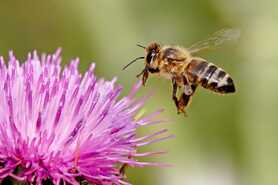
National Geographic - Honeybee Apis mellifera:
animals.nationalgeographic.com/animals/bugs/honeybee/
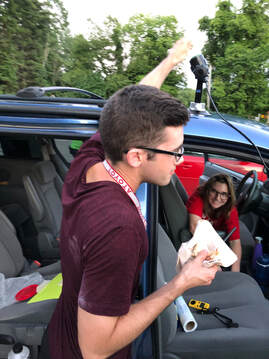
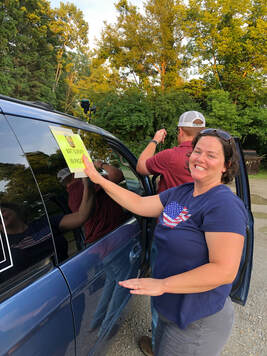
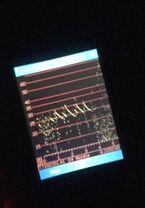
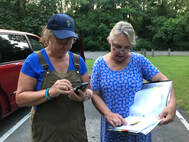
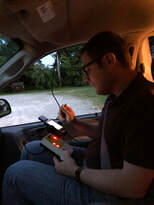
It's A Rap! Warren County Soil and Water Conservation District wishes to thank our Earth Team Volunteers, Staff, Interns, Partnerships and OCVN's for assisting with Bat Acoustic Surveys this past July. We will highlight some of our results at a "Tech Free Tuesday" Event held on August 6th at Landen Deerfield Park. Come learn about our beautiful, native bats, real bat biofacts and build a batty craft! These programs are FREE to the public! Programming starts at 10:00 am. Address: Deerfield Township 2258 W. St. Rt. 22/3, Maineville, Ohio 45039 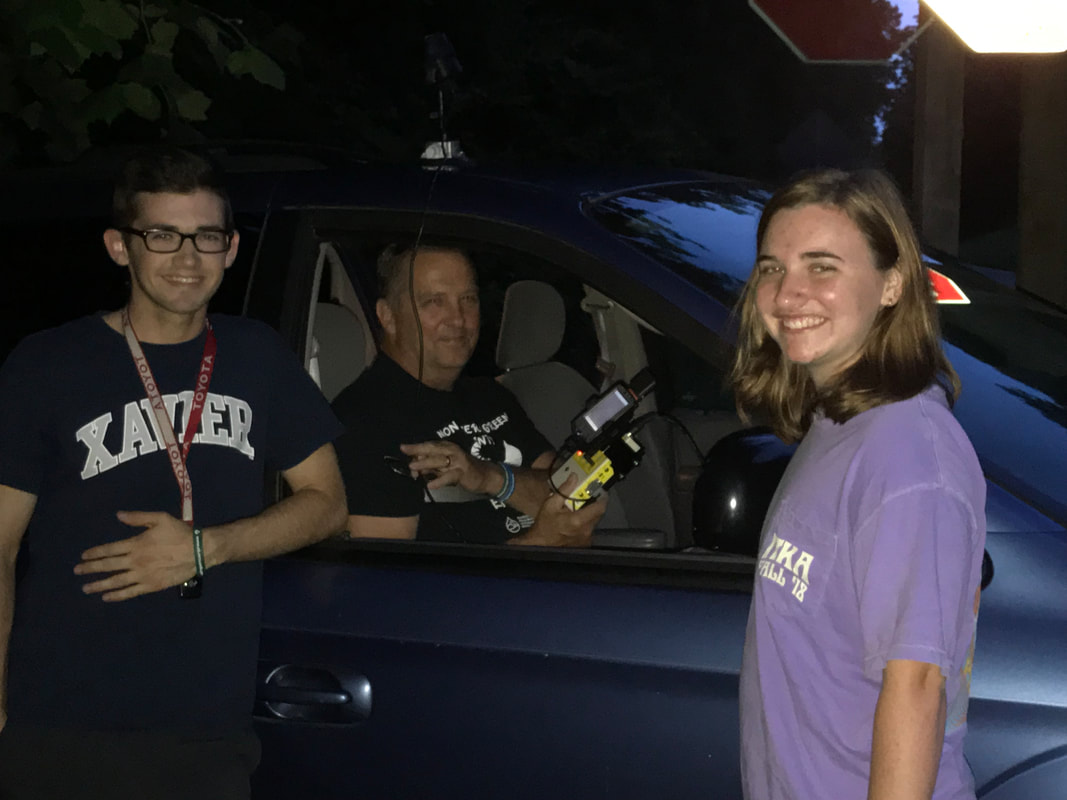 What Bats Do For Us One of the most important things bats do for us is consume vast amounts of insects each night; many of these insects are damaging agriculture pests. In fact, pregnant or nursing mothers of certain bat species can consume their body weight in insects each night. Scientists estimate that throughout the United States bats help save farms $3.7 billion a year in reduced crop damage and pesticide use. Bats also save over $1 billion in the corn industry alone. Ohio's bats are "insectivores". Controlling the pest population is not the only thing bats do, they are also pollinators of certain plants and disperse seeds. "Bats are an important part of the ecosystem and do more for us than we even realize." - Sidney Thomson Acoustic Bat Survey photos from the Caesar Creek/Warren County route that also ventures into Clinton and Greene Counties. What You Can Do Warren County Soil and Water Conservation District partners with the Ohio Division of Wildlife (ODNR) to perform acoustic bat surveys in July; this is a perfect way for people to get involved in tracking populations of bats. In addition, ODNR trains others, county-wide, to perform bat monitoring surveys throughout Ohio. Look on ODNR's website for more information. Another great way to help bat populations is to build a bat house and count the number of bats that use the house. Being mindful and minimizing the disturbance of bat habitats or places that bats are known to hibernate helps their over-all population and ecosystems. A big factor that increases bat populations is to avoid the possible spread of White Nose Syndrome by people. Bats slowly reproduce, female bats typically have one pup at a time, so it is important for us to do whatever we can to protect our bats.
Data from this project allows the Division of Wildlife to monitor population changes for bats through long-term assessments. As potential threats to bat populations increase in Ohio (e.g., White-nose Syndrome, habitat destruction), it is imperative that we continue to monitor and assess our Ohio bat populations.
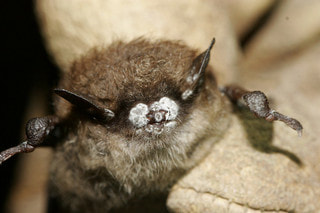
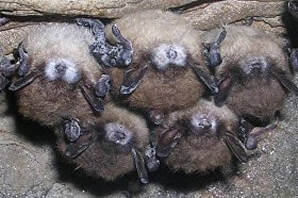
White-nose syndrome (WNS) is a disease caused by a fungus that affects bats. It is considered one of the worst wildlife diseases in modern times; the fungus, called Pseudogymnoascus destructans or Pd for short, has killed millions of bats across North America. Pd grows in cold, dark and damp places; it attacks the bare skin of bats while they are hibernating in a relatively inactive state. Pd sometimes looks like a white fuzz on the faces of bats, As the Pd fungus grows, it directly causes changes in bats, making them become more active than usual. Bats with white-nose syndrome may do strange things like fly outside during daytime in the winter. The infected bats burn up fat that is crucial to survive the winter. Besides, Ohio's Bats are nocturnal.
In 2007, Biologists first noted bats were sick and dying from white-nose syndrome in caves near Albany, New York. Cave explorers had taken a photo of bats with a white powder on their noses the year before in this same area. Thus, white-nose syndrome has been in North America since at least 2006. 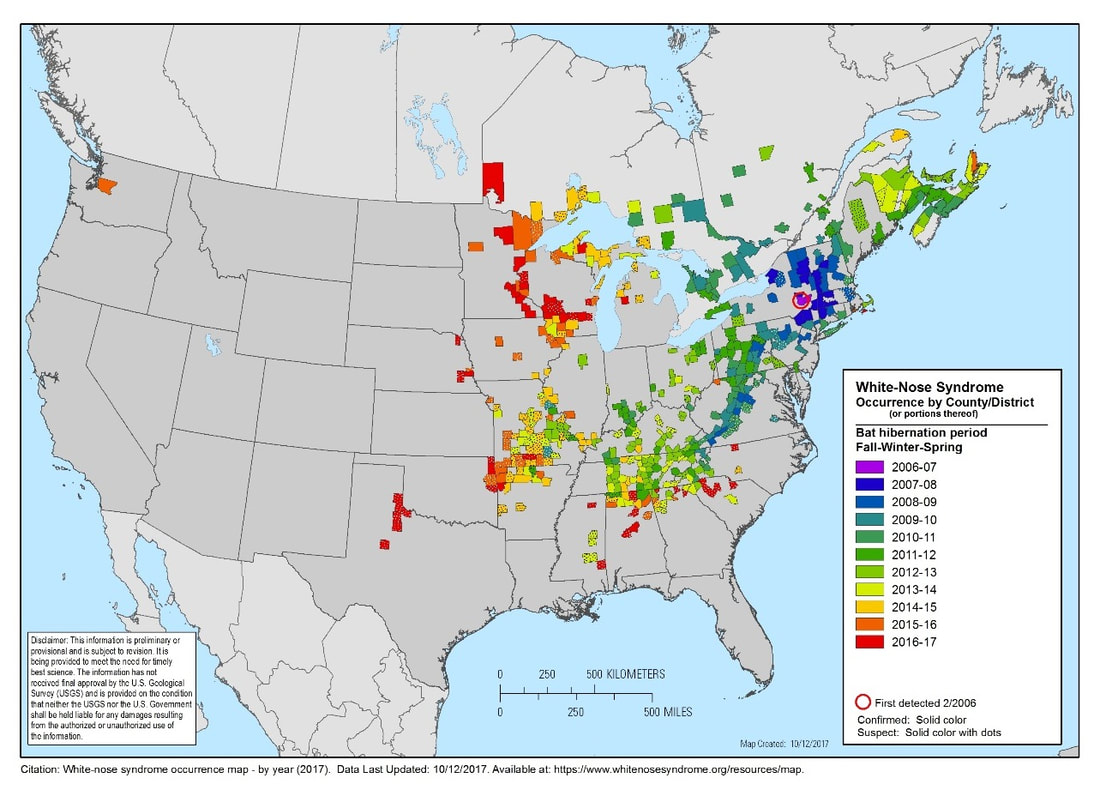 WCSWCD Volunteer Opportunities: https://www.warrenswcd.com/volunteer-opportunities.html Acoustic Bat Survey photos from the Little Miami State Park route. Other WCSWCD Wildlife/Ohio's Bats Blog publications: https://www.warrenswcd.com/education-connection-a-blog/sleep-all-day-stay-out-all-night-no-wonder-we-love-our-ohio-bats https://www.warrenswcd.com/education-connection-a-blog/help-protect-bats-and-their-habitats Authors and Contributors; Sidney Thomson, Ben Haynes and Marta Farrell
|
||||||||||||||||||||||||||||||||||||



|
|

Contact:PHONE: (513) 695 - 1337
EMAIL: [email protected] HOURS: Monday - Friday 7:30am - 4:00pm (except holidays) Connect:Warren County Soil & Water Conservation District Copyright © 2016
Warren SWCD Privacy Notice. Emails are serviced by Constant Contact. Constant Contact's Privacy Notice. |